



P2X7 Receptor
P2X7 receptor (P2X7R) is a trimeric ATP-gated cation channel expressed predominantly, but not exclusively, on immune cells[1]. Mechanistically, extracellular ATP at tissue injury and inflammation sites activates P2X7R, linking purinergic signaling to NLRP3 inflammasome activation, cytokine and chemokine release, transcription factor activation, and cell death[2]. P2X7R activation induces NLRP3 inflammasome formation and inflammatory caspase-1 activation, which drives pyroptosis and release of pro-inflammatory cytokines[3]. In disease models, P2X7 antagonists have been used in rodent studies of neurologic disease, injury, inflammation, and musculoskeletal disorders[1]. Compared with related P2X receptors, P2X7R shows distinctive splice complexity, with ten human P2RX7 splice variants and several SNP-defined haplotypes reported[2]. Structural studies further support subtype-specific antagonist design because mammalian P2X7R structures complexed with five unrelated antagonists revealed a shared allosteric inhibition mechanism[4]. Therefore, P2X7R agonists and inhibitors provide practical tools for studying ATP-driven inflammation, inflammasome signaling, immune-cell activation, and disease-relevant receptor pharmacology[1][2][3][4].
References:
- [1]. Bartlett R, et al. The P2X7 receptor channel: recent developments and the use of P2X7 antagonists in models of disease. Pharmacol Rev. 2014 Jul;66(3):638-75. [Content Brief]
- [2]. Di Virgilio F, et al. The P2X7 Receptor in Infection and Inflammation. Immunity. 2017 Jul 18;47(1):15-31. [Content Brief]
- [3]. Pelegrin P. P2X7 receptor and the NLRP3 inflammasome: Partners in crime. Biochem Pharmacol. 2021 May;187:114385. doi: 10.1016/j.bcp.2020.114385. Epub 2020 Dec 20. PMID: 33359010. et al. P2X7 receptor and the NLRP3 inflammasome: Partners in crime. Biochem Pharmacol. 2021 May;187:114385. [Content Brief]
- [4]. Karasawa A, et al. Structural basis for subtype-specific inhibition of the P2X7 receptor. Elife. 2016 Dec 9;5:e22153. [Content Brief]
-
P2X7 Receptor Related Products (32)
Related Products (32)

- 1
- 2
-
BzATP triethylammonium salt
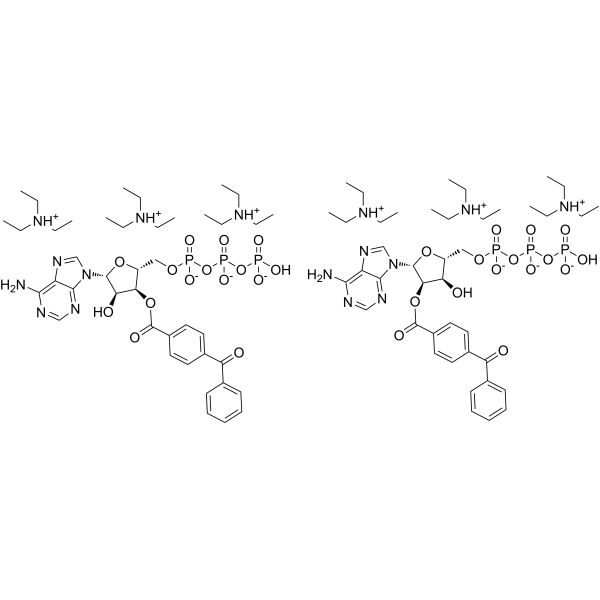 0 ImagesCat. No.: HY-136254Purity: 99.19%BzATP triethylammonium salt acts as a P2X receptor agonist with pEC50s of 8.74, 5.26, 7.10, 7.50, 6.19, 6.31, 5.33 for P2X1, P2X2, P2X3, P2X2/3, P2X4 and P2X7, respectively. BzATP triethylammonium salt is potent at P2X7 receptors with EC50s of 3.6 μM and 285 μM for rat P2X7 and mouse P2X7, respectively.
-
Sodium metatungstate
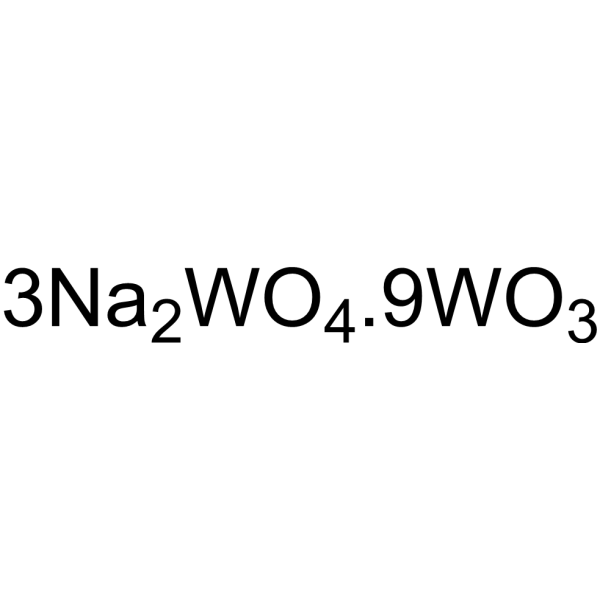 0 ImagesCat. No.: HY-103259CAS No.: 12141-67-2Synonyms: Sodium polyoxotungstate; POM-1Sodium metatungstate (Sodium polyoxotungstate) is a NTPDase inhibitor, with Ki values of 2.58 μM, 3.26 μM, and 28.8 μM for NTPDase 1 (CD39), NTPDase 3 and NTPDase 2 respectively. Sodium metatungstate has anti-inflammatory and anti-cancer effect. Sodium metatungstate inhibits ATP breakdown but also blocks central synaptic transmission.
-
A-740003
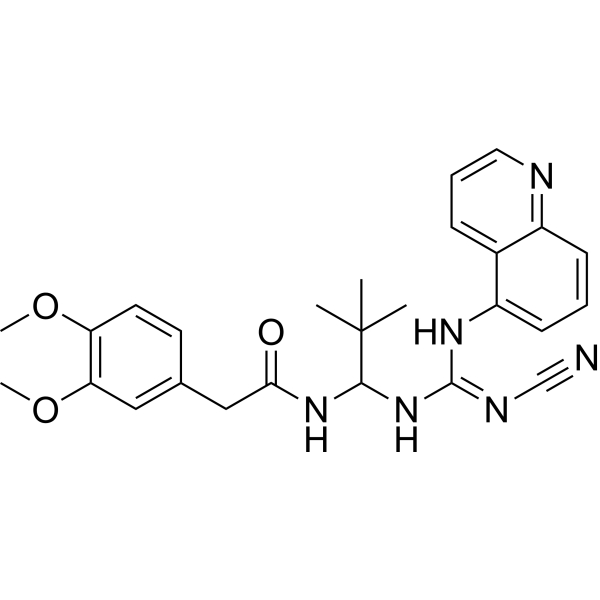 0 ImagesA-740003 is a potent, selective and competitive P2X7 receptor antagonist with IC50 values are 18 and 40 nM for rat and human P2X7 receptors, respectively.
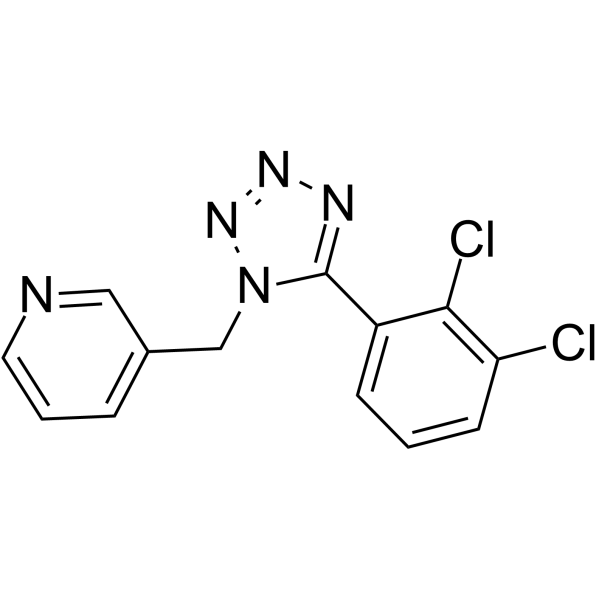
-
KN-62
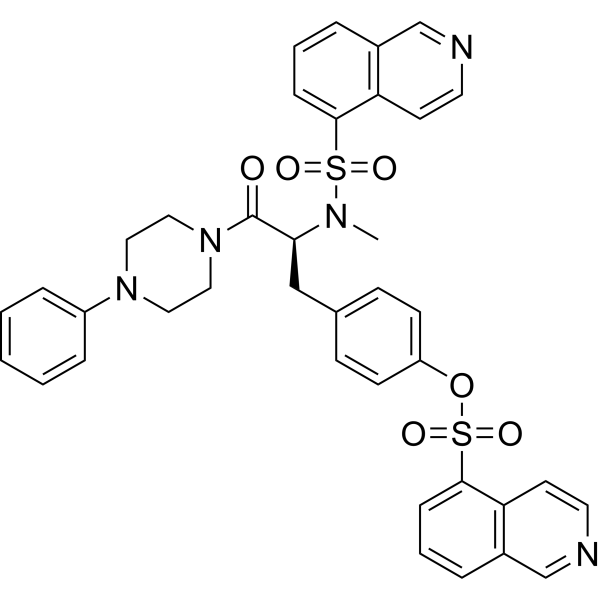 0 ImagesKN-62 is a selective and reversible inhibitor of calmodulin-dependent protein kinase II (CaMK-II) with a Ki of 0.9 μM for rat brain CaMK-II. KN-62 directly binds to the calmodulin binding site of CaMK-II. KN-62 displays noncompetitive antagonism at P2X7 receptors in HEK293 cells, with an IC50 value of approximately 15 nM.
-
P2X7R antagonist-1
 0 ImagesCat. No.: HY-183784P2X7R antagonist-1 is an orally active P2X7 receptor antagonist with an IC50 of 3.57 μM. P2X7R antagonist-1 inhibits the proliferation, invasion and metastasis abilities of cancer cells. P2X7R antagonist-1 downregulates the expression of FAK and MMP-9. P2X7R antagonist-1 suppresses tumor growth and metastasis in a mouse breast cancer model. P2X7R antagonist-1 promotes the activation of CD4 and CD8 T cells. P2X7R antagonist-1 can be used in breast cancer-related research.
-
α,β-Methylene-ATP trisodium
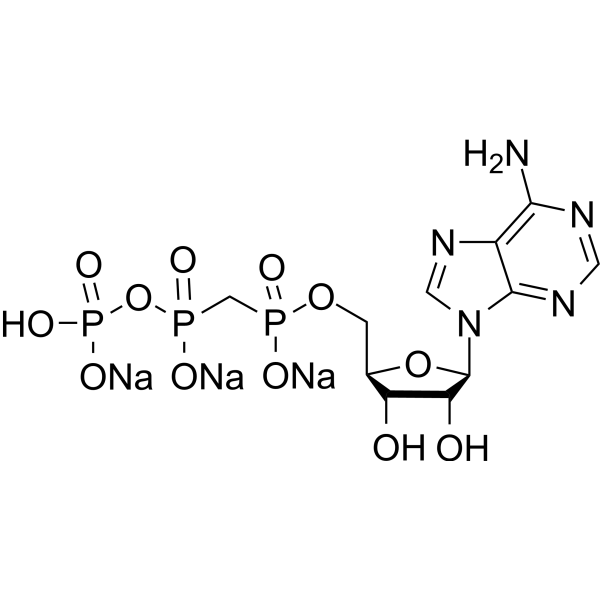 0 Imagesα,β-Methylene-ATP trisodium is an agonist of P2X1 and P2X3 receptors and can cross the blood-brain barrier. α,β-Methylene-ATP trisodium can trigger a reflex pressor response by activating P2X receptors in peripheral muscles and the central locus coeruleus (LC); this effect can be blocked by the P2X antagonist PPADS (HY-108960). α,β-Methylene-ATP trisodium also activates noradrenergic neurons in the central locus coeruleus, mediating antinociceptive effects; this effect can be attenuated by the locus coeruleus damaging agent DSP-4 (HY-103210/HY-121602). α,β-Methylene-ATP trisodium can be used to study the pathological mechanisms of neuropathic pain, cardiovascular reflex regulation, and antinociceptive effects of the central nervous system.
-
A 438079 hydrochloride
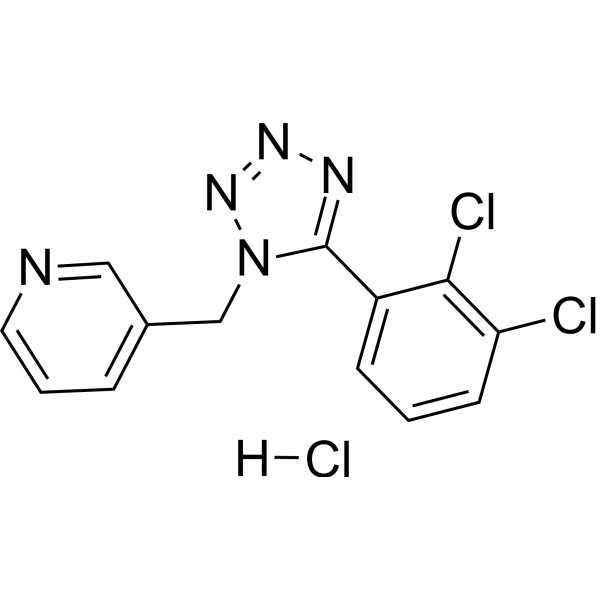 0 ImagesA 438079 (hydrochloride) is a potent, and selective P2X7 receptor antagonist with pIC50 of 6.9.
-
AZD9056 hydrochloride
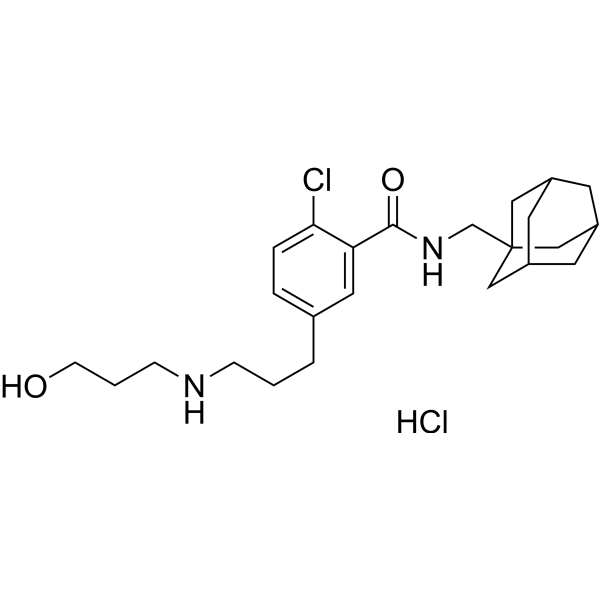 0 ImagesAZD9056 hydrochloride is a selective orally active inhibitor of P2X7 which plays a significant role in inflammation and pain-causing diseases.
-
JNJ-47965567
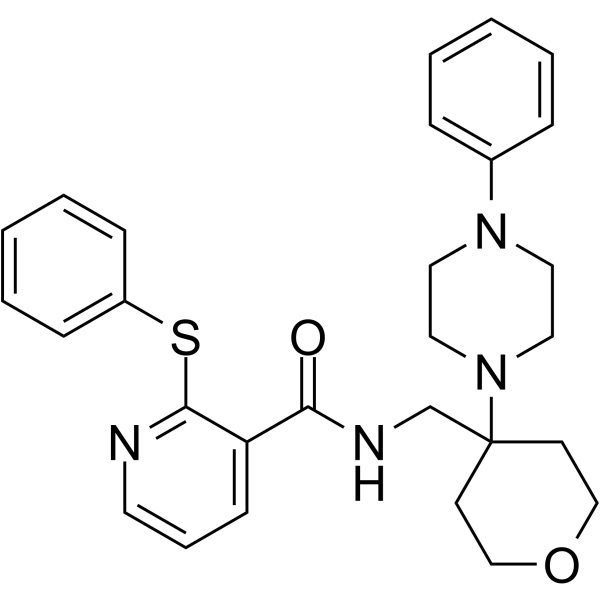 0 ImagesJNJ-47965567 is a centrally permeable, high-affinity, selective P2X7 antagonist, with pKis of 7.9 and 8.7 for human and rat P2X7, respectively. JNJ-47965567 can be used to probe the role of central P2X7 in rodent models of CNS pathophysiology.
-
AZ10606120 dihydrochloride
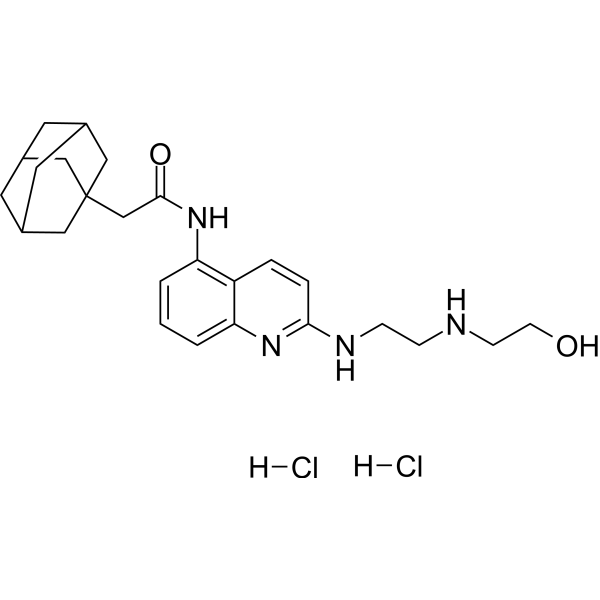 0 ImagesAZ10606120 dihydrochloride is a selective, high affinity antagonist for P2X7 receptor (P2X7R) at human and rat with an IC50 of about 10 nM. AZ10606120 dihydrochloride is little or no effect at other P2XR subtypes. AZ10606120 dihydrochloride has anti-depressant effects and reduces tumour growth.
-
A-804598
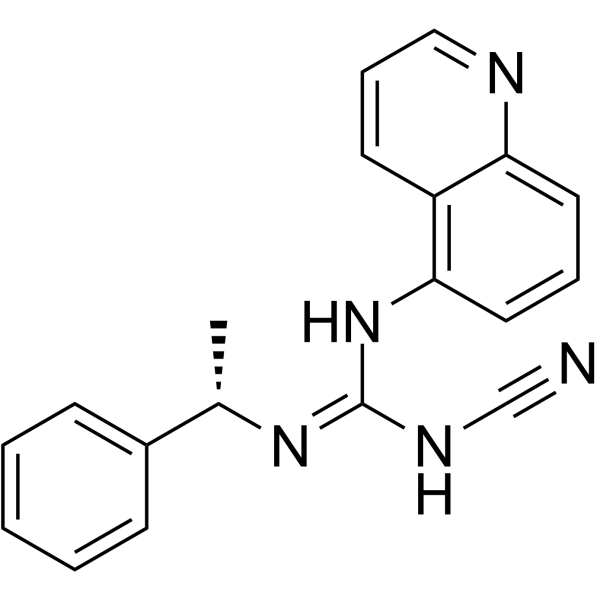 0 ImagesA-804598 is a BBB penetrant, competitive and selective P2X7 receptor antagonist with IC50s of 9 nM, 10 nM and 11 nM for mouse, rat and human P2X7 receptors, respectively.
-
JNJ-55308942
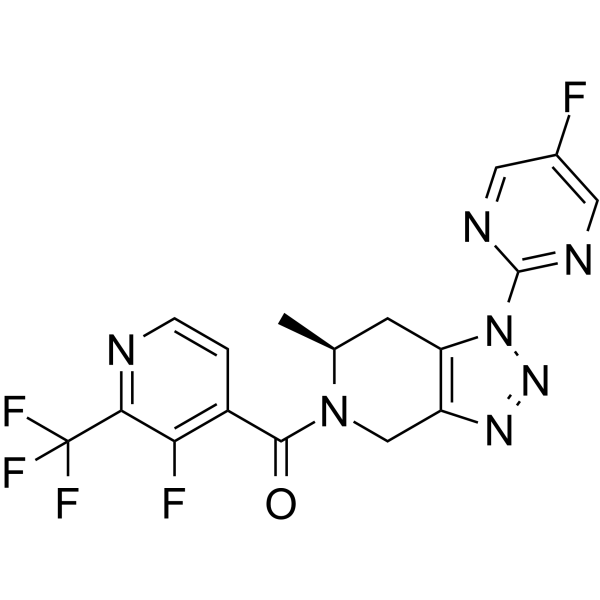 0 ImagesJNJ-55308942 is a high-affinity, selective, brain-penetrant P2X7 functional antagonist (hP2X7: IC50=10 nM, Ki=7.1 nM; rP2X7: IC50=15 nM, Ki=2.9 nM). JNJ-55308942 is orally bioavailable, binds to brain P2X7 and blocks IL-1β release from adult rodent brain.
-
HEI3090
 0 ImagesHEI3090 is a P2X7R activator. HEI3090 stimulates dendritic cells expressing P2X7R to produce IL-18, which subsequently promotes Natural Killer cells and CD4 T cells within tumors to produce IFN-γ, leading to a sustained antitumor response. HEI3090 can be used to enhance the efficacy of αPD-1 therapy in non-small cell lung cancer (NSCLC).
-
GSK-1482160
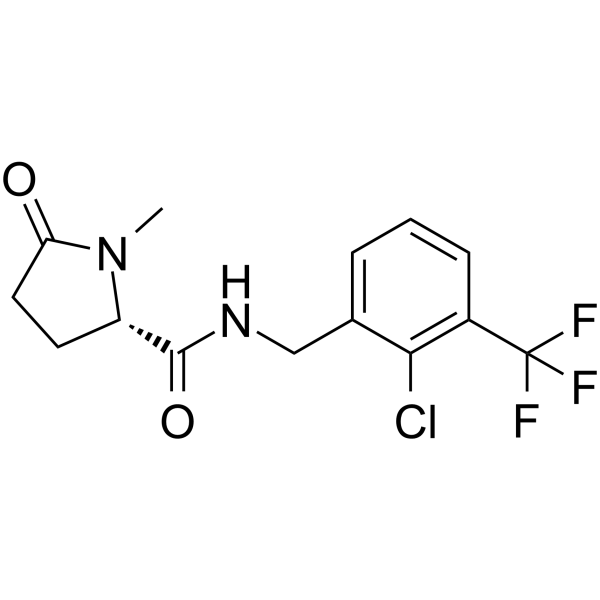 0 ImagesGSK-1482160 is an orally active and blood-brain barrier penetrant P2X7 receptor (P2X7R) negative allosteric modulator with pIC50s of 8.5 (human) and 6.5 (rat). GSK-1482160 reduces the efficacy of ATP at the P2X7 receptor without affecting its affinity, thereby inhibiting the release of IL-1β. GSK-1482160 is an effective radioligand and can be labeled with radioactive isotopes like 11C or 18F to image P2X7R. GSK-1482160 can be used for the studies of chronic joint pain and chronic constriction injury (CCI).
-
Oxatomide
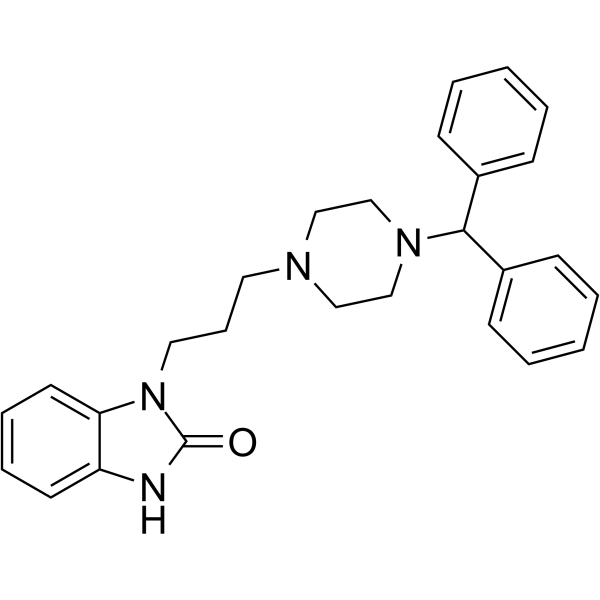 0 ImagesSynonyms: KW-4354Oxatomide (KW-4354) is an orally active dual antagonist of the H1-histamine receptor and the P2X7 receptor, as well as an inhibitor of serotonin. Oxatomide possesses antihistaminic, antiallergic and anti-inflammatory activities. Oxatomide can be used in the research of allergic diseases.
-
JNJ-54175446
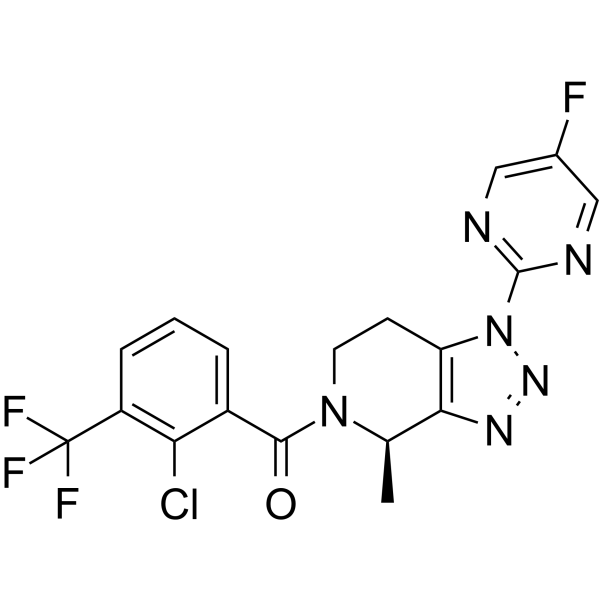 0 ImagesJNJ-54175446 is a potent and selective brain penetrant P2X7 receptor antagonist, with pIC50s of 8.46 and 8.81 for hP2X7 receptor and rP2X7 receptor, respectively.
-
Oxidized ATP trisodium salt
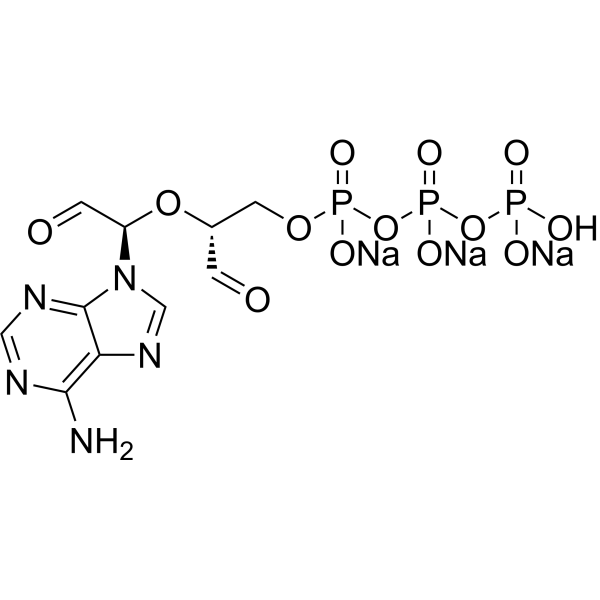 0 ImagesSynonyms: oATP trisodium saltOxidized ATP (oATP) trisodium salt is a broad-spectrum P2 receptor inhibitor. Oxidized ATP trisodium salt irreversibly antagonizes P2X7R activation. Oxidized ATP trisodium salt inhibits c-reactive protein (CRP)-induced NLRP3 inflammasome activation. Oxidized ATP trisodium salt can be used for research of atherosclerosis.
-
Bullatine A
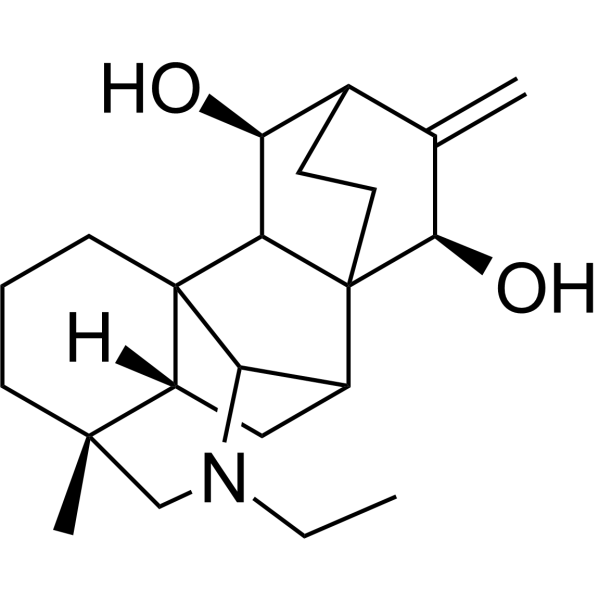 0 ImagesBullatine A, a diterpenoid alkaloid, is a potent P2X7 antagonist. Bullatine A possesses anti-rheumatic, anti-inflammatory and anti-nociceptive effects. Bullatine A inhibits ATP-induced BV-2 cell death/apoptosis and P2X receptor-mediated inflammatory responses. Bullatine A suppresses glioma cell growth by targeting SIRT6. Bullatine A specifically attenuates pain hypersensitivity in rats. Bullatine A attenuates LPS (HY-D1056)-induced systemic inflammatory response by inhibiting the ROS/JNK/NF-κB pathway in mice. Bullatine A improves despair behavior in Chronic chronic social defeat stress (CSDS) mice. Bullatine A can be used for the study of inflammation, glioblastoma (GBM) and depression.
-
Gardenoside
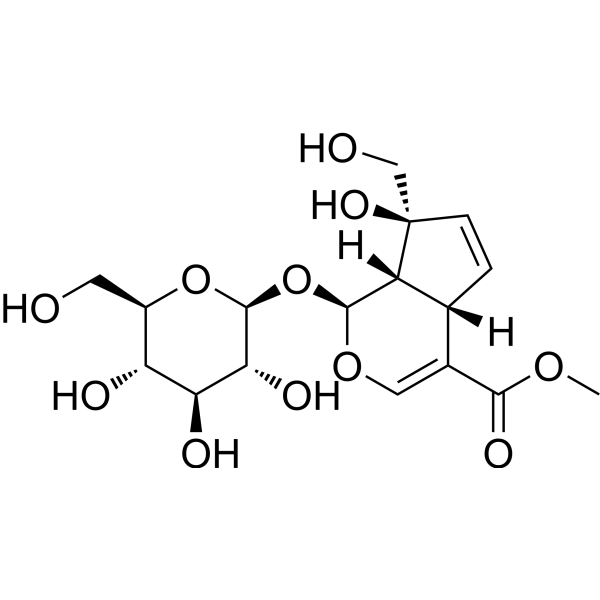 0 ImagesGardenoside is an orally active natural compound found in Gardenia fruits. Gardenoside reliefs chronic constriction injury (CCI)-induced neuropathic pain by regulating the P2X3 and P2X7 receptors. Gardenoside has an inhibitory effect on free fatty acids (FFA)-induced cellular steatosis. Gardenoside reduces reactive oxygen species (ROS). Gardenoside can be used for anti-inflammatory, antinociceptive and hepatoprotective study.
- 1
- 2



